
The stark differences in life north of Eight Mile (Oakland County) versus that to the south (down into Detroit) are infamous. Still, today’s Detroit Free Press articles regarding Michigan’s vaccine rates is another startling contrast between the haves and the have-nots.
In Oakland County, 59.33% of residents 16 and older have gotten at least one dose of a coronavirus vaccine. That’s 610,919 of its 1,029,739 vaccine-eligible residents, a rate near the top of the state. Contrast that with Detroit, where 31.19% of residents have gotten at least one dose of a COVID-19 vaccine, That’s 162,249 of Detroit’s 520,266 vaccine-eligible residents.
Oakland County enjoys a much greater percentage of vaccine rate among it’s doubly bigger population than that of nearby Detroit. This is personification of the Eight Mile legend.
It’s not that people of all colors aren’t trying. It’s that their efforts cannot overcome the legacy of systemic denial and suppression. Not to mention that elderly poor simply cannot get to a clinic. We are in a time of intense social chaos and propagated lies. Black people have been medically duped before, some would say made guinea pigs.
All in all, it’s no wonder that there is a shortage of confidence among Black people as regards getting the vaccine. Notice the unlikely bedfellows this makes between Blacks who hesitate and white rural anti-vaccers.
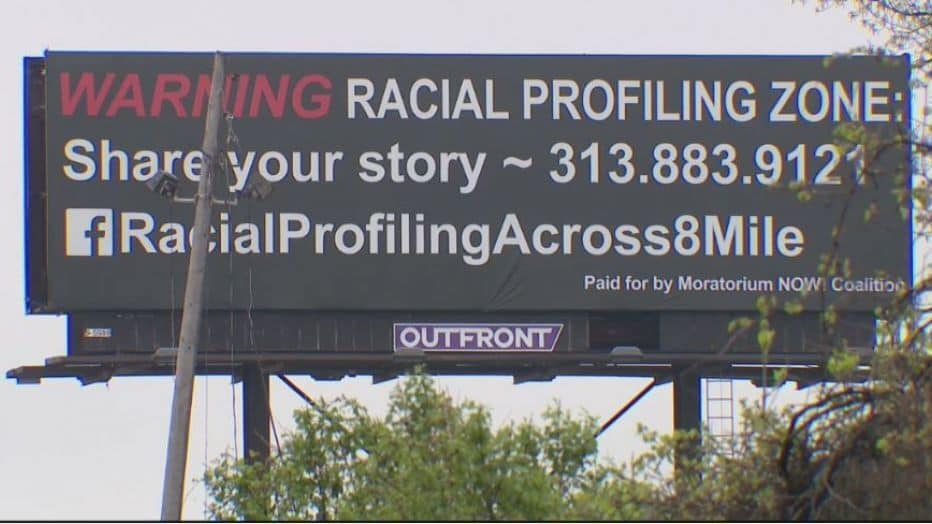
For most things of import, Oakland County goes first and then the learnings and what is left gets shared with others. For example, note the beautiful faster-track refurbishment of the I-75 corridor through Oakland County. We need and appreciate successes like Oakland County, but it should not consistently reflect such disparity. It has to be driven in the communities, but maybe this is also a state-level challenge.
Oakland County is a celebrated success. Of course it’s easy to point to the Oakland County tax base (they have the money). But Michigan should not accept that this is just the way it is. It’s not to tear Oakland County down but to build up the deprived communities.
Priorities must change. It’s going to take community development efforts, in the concentrated heart of the city where it’s needed. Look at The Drive for Five for a summary of harsh cultural realities that must be addressed before Detroit can be on footing to respond to something like a pandemic.